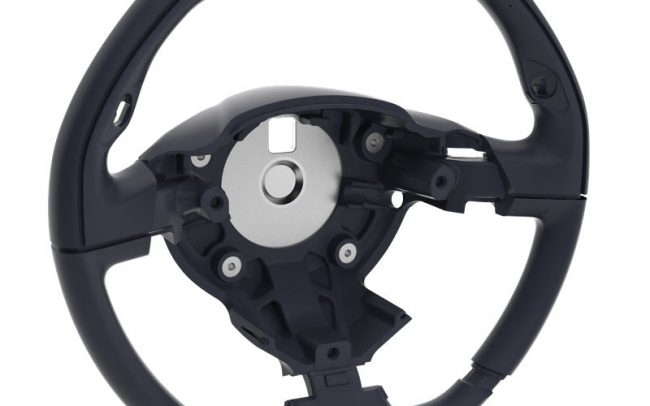
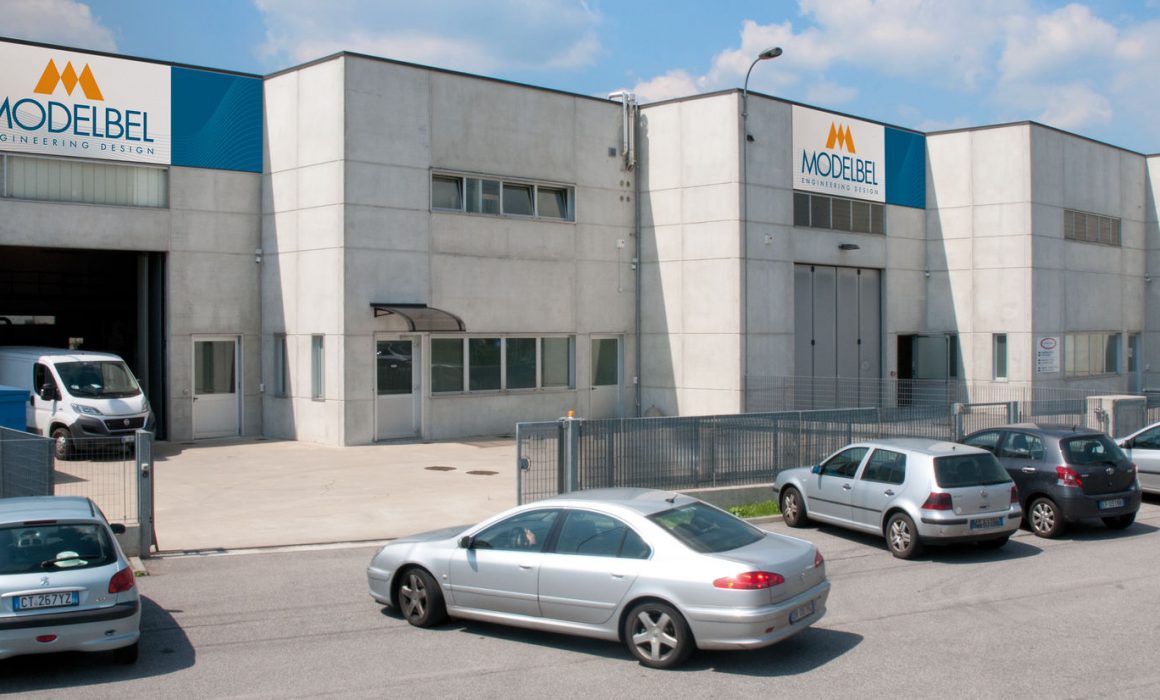
Exterior of the Modelbel facility

Industrial Product Development & Prototyping Partner

From project to real component.

Technical-industrial partner for development, prototyping, tooling and pre-series / mini-series production of complex products and components.

COMPLEXITY → CLARITY → REALITY

When the project becomes complex

An industrial project does not end when CAD is ready. It needs a path that makes the journey from idea to real component manageable.

Make complexity feel manageable.

  • From CAD to component
  • From idea to prototype
  • From prototype to validation
  • From validation to production
Modelbel technical studio with CAD and physical components

Solutions

Which project stage can we help with?

Four linked capabilities in one continuous path: engineering, prototyping, tooling and low-volume production.

Prototyping

We build aesthetic, functional, mechanical and ergonomic prototypes to verify before investing further.

In the processEnters at Prototype and Validate.

OutcomePhysical validation of what CAD alone cannot prove.

Prototyping

Tooling

We design and build molds, models, fixtures, jigs and gauges to make the process repeatable.

In the processEnters at Tool, in continuity with validation.

OutcomeFrom a validated product to a supported manufacturing process.

Tooling

Explore Capabilities

Process

From problem to component

An integrated six-stage process to reduce uncertainty between design and production.

  1. Understand
  2. Engineer
  3. Prototype
  4. Validate
  5. Tool
  6. Produce
  1. Understand

    Objective
    Understand requirements, constraints, use and product objectives.
    What happens
    We analyse geometry, materials, quantities, deadlines and production goals with the customer.
    Output
    A clear framing of the technical problem to solve.
  2. Engineer

    Objective
    Turn requirements and ideas into a technically manufacturable solution.
    What happens
    We apply engineering, co-design, redesign or reverse engineering where needed.
    Output
    A more mature and manufacturable technical direction.
  3. Prototype

    Objective
    Build a physical representation of the product.
    What happens
    We produce aesthetic, functional, mechanical or ergonomic prototypes as required.
    Output
    A real part to observe and discuss.
  4. Validate

    Objective
    Verify what CAD alone cannot prove.
    What happens
    We check geometry, function, material, process and manufacturability on the physical part.
    Output
    Safer decisions before tooling and production.
  5. Tool

    Objective
    Prepare the tooling and instruments required by the process.
    What happens
    We develop molds, models, fixtures, gauges and tooling aligned with the product.
    Output
    A process supported by appropriate tooling.
  6. Produce

    Objective
    Move the component toward pre-series, mini-series or production aligned with the project.
    What happens
    We produce limited lots and components in continuity with previous stages.
    Output
    Real components ready for the next manufacturing stage.

See Our Process

Industries

Industrial contexts where the technical path matters

Not a sector list: application contexts where complexity and physical validation are central.

Automotive & Mobility

A context of components and systems where geometry, materials and physical validation matter before series.

Industrial Equipment

Industrial machines and equipment need robust components, dedicated tooling and limited technical lots.

Hydraulics & Fluidics

Fluid and hydraulic components where channels, sealing and manufacturability need technical attention throughout the path.

Heating & Technical Systems

Technical systems and components for heating and plant applications where form and process must stay aligned.

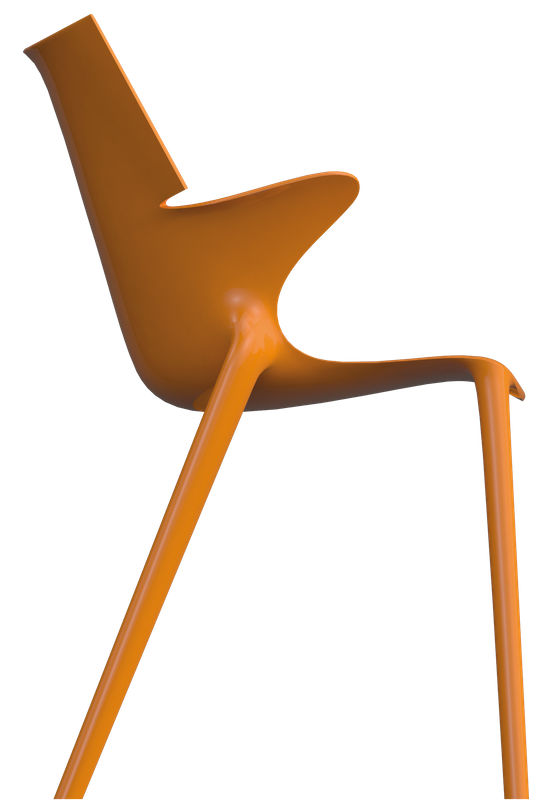
Furniture & Design

Furniture and design projects where aesthetics, physical models and industrialization must coexist.

Lighting

Lighting components and fixtures that need physical models, formal precision and process support.

Explore Industries

Technologies

Technologies in service of the CAD → REAL path

Each technology is framed by the problem it solves and the process stage where it matters.

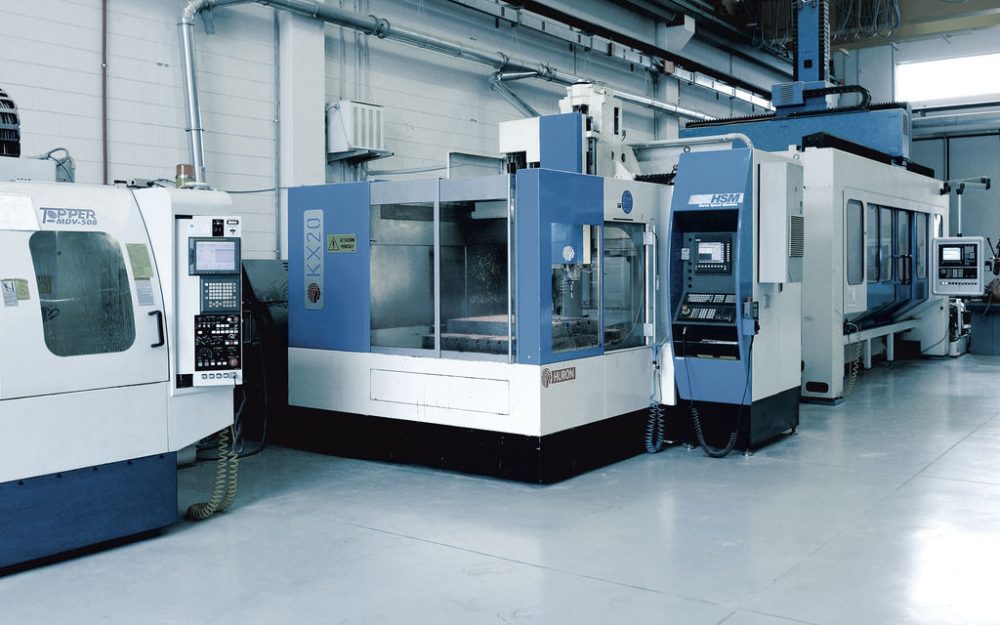
CNC machines in a machining area

CNC Machining

Problem. Real parts, fixtures or prototypes with precise geometry are needed from a digital design.

In process. CNC machining supports prototyping, tooling and low-volume production along the CAD → REAL path.

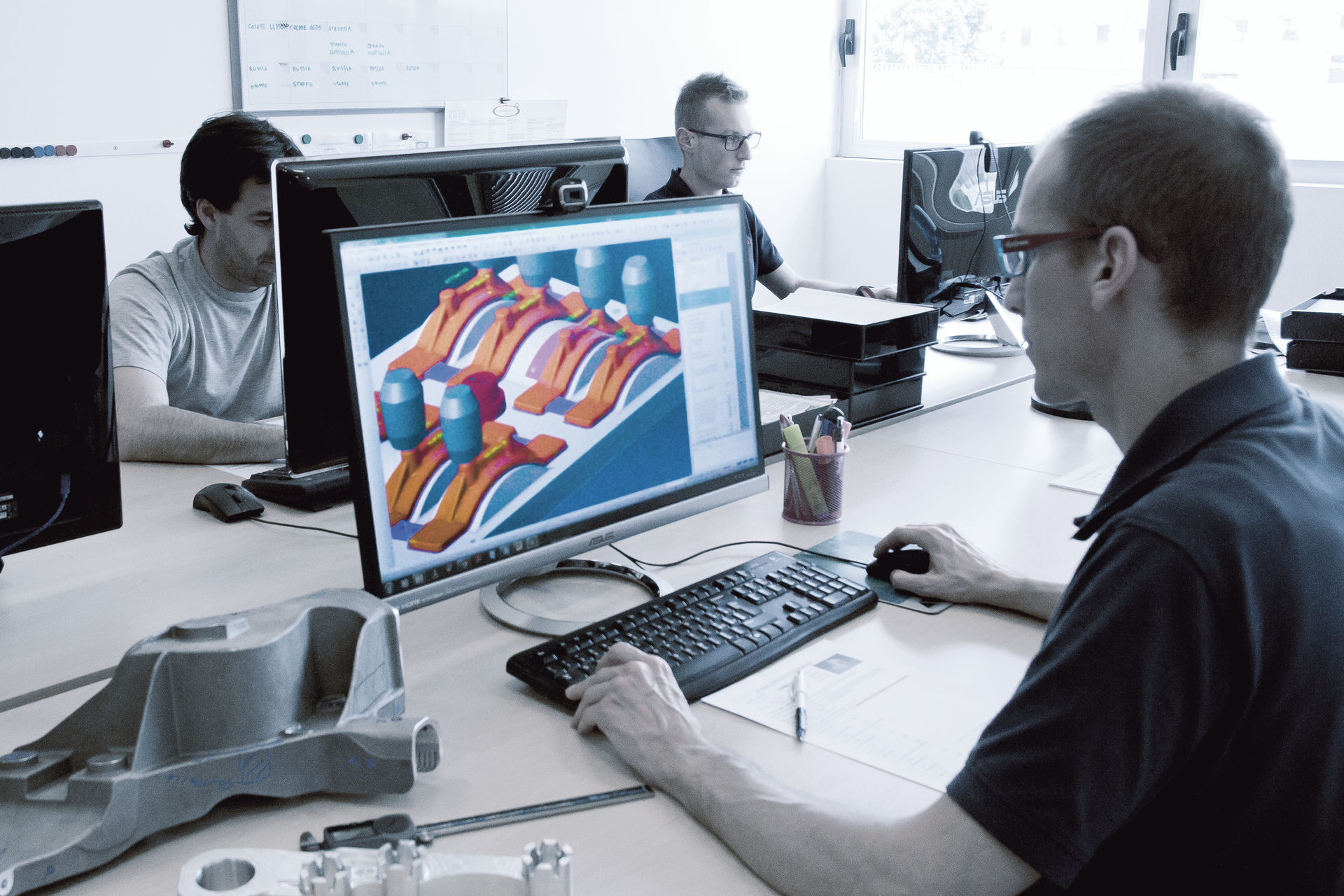
Engineering environment with CAD and physical parts

CAD / 3D Engineering

Problem. The design must be defined, adapted or made manufacturable before becoming a physical part.

In process. CAD and 3D engineering connect idea, geometry and process choices in the Understand and Engineer stages.

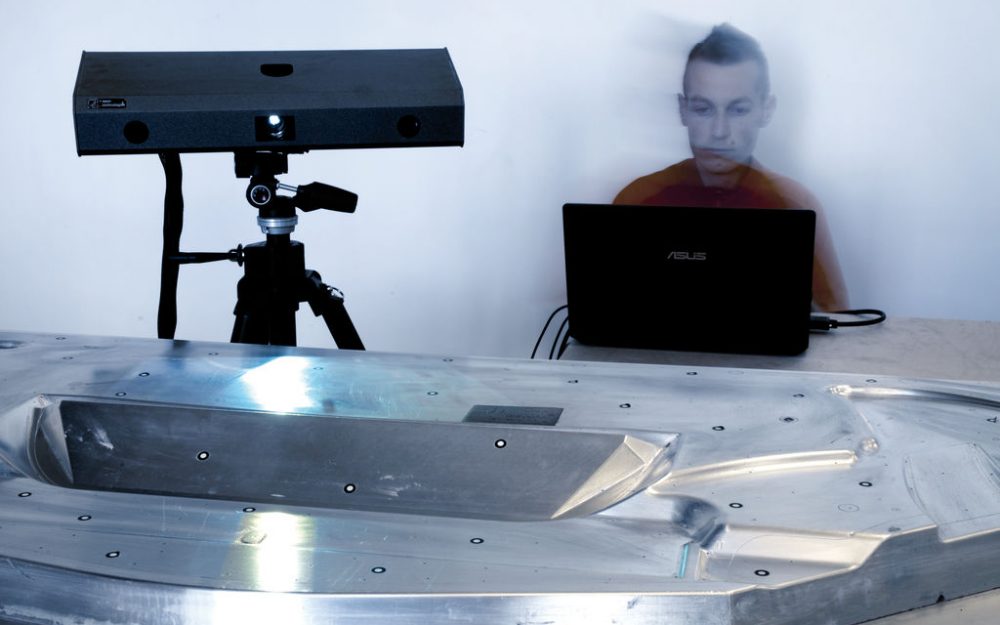
3D measurement / scanning of a part with markers

Reverse Engineering

Problem. A physical component must be reconstructed, updated or brought back into a digital and manufacturing path.

In process. Reverse engineering supports redesign and technical restart when the starting point is not a complete CAD.

Explore Technologies

Proof

From complex requirements to real components

This proof section is prepared for case studies, technical evidence and verified project outcomes. Publishable content will be added when available and authorised.

Publishable case studies, verified metrics and authorised client logos will be added when available.

Case Studies

We take on the hard problems.

When the project requires technical judgement — not just a quote — the Modelbel path starts from the problem.

Do you have a complex project?

Tell us where your project stands today. We will evaluate the most suitable path together.